
Engaging in physical activities like exercise releases endorphins, improves mood, and diminishes the allure of cravings. Self-care activities—such as maintaining a balanced diet, ensuring proper sleep, and practicing relaxation techniques—also contribute significantly to Drug rehabilitation emotional regulation. Seeking support from mentors, sponsors, or members of support groups can also be invaluable. These individuals can help observe behavioral cues or emotional states that might go unnoticed alone. Sharing feelings or experiences with trusted figures provides emotional reinforcement and guidance.
Understanding the Complex Landscape of Recovery Triggers
- The first step to resisting addiction is accepting that cravings are an inevitable and completely normal occurrence in recovery – not a sign that you’ve done something wrong, or failed!
- Check out the Sober Powered Podcast to learn more about how alcohol affects the brain.
- Before starting any complementary treatment, be sure to discuss it with a doctor to make sure it’s safe for you.
- Build a strong support network of friends, family or a support group.
Organisations such as Al-Anon provide a safe space for families to share their experiences, learn coping strategies and receive emotional support. Read up as much as you can on the subject, and speak to the person themselves . By understanding addiction, you can offer the best support you can. Triggers are internal or external cues that can set off cravings or the urge to drink.
- They involve consciously vocalizing positive statements to oneself, reaffirming an individual’s ability to cope with cravings and to maintain control over their actions.
- Mindfulness also helps us develop more awareness around our cravings and when they are likely to arise.
- Gillian Tietz is the host of the Sober Powered podcast and recently left her career as a biochemist to create Sober Powered Media, LLC.
- Her cravings lasted about 15 minutes at first—but over time, they lost their grip.
- You can also participate in challenges like Dry January or Sober October with a community or group of friends.
How Medication-Assisted Treatment Helps with Benzodiazepine Detox
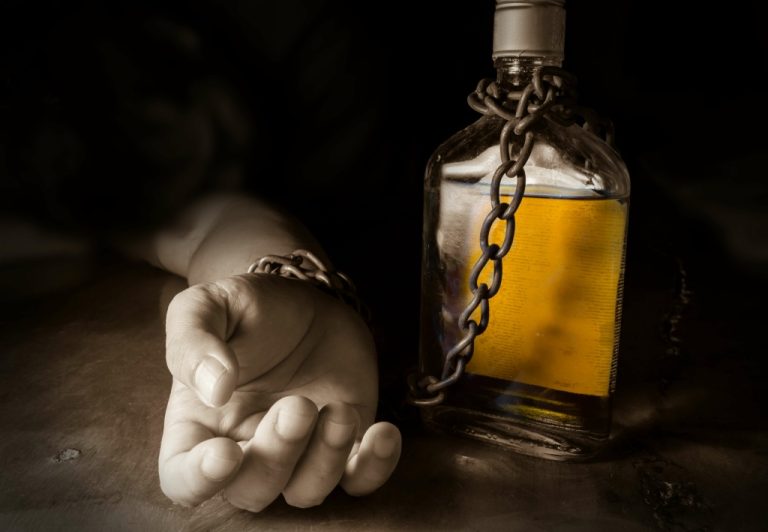
If you’re trying to quit and need help stopping your alcohol consumption, give us a call. Our friendly staff will gladly offer advice and guidance to help you make the right decision to change your drinking habit and will answer any questions or concerns you may have. Remember, help is always at hand, and there are other options rather than attempting to do it alone. The lack of consuming alcohol creates these cravings, some of which can be intense and unpleasant. Similar to stopping smoking, when you stop drinking alcohol there is an overwhelming urge to consume more in the early stages. If you are a habitual heavy drinker and suddenly decide to quit, your body https://maisondesmaillots.com/?p=41765 responds by producing withdrawal symptoms such as cravings.

The Power of Routine in Preventing Relapse
When your loved one swears to you and to themselves that they will never touch another drop of alcohol, you might believe them. Keep in mind that someone with alcohol dependence usually goes through a few stages before they are ready to make a change. Research suggests that it often takes two to five attempts for a person to successfully quit. Until they begin to contemplate quitting, any actions you take to “help” them quit will often be met with resistance. However, certain things you can do may help relieve the pressure and, in some cases, also better help your loved one start their path to recovery.

It’s common to hear them say, “The only reason I drink is because you…” Mental health is shaped by many factors, and healing is always possible. Join our secure virtual IOP and outpatient programs to get flexible care from home while balancing work, school, and/or family.
How to Recognize and Manage Emotional Triggers in Recovery
Support networks and professional assistance play a crucial role in managing cravings and sustaining long-term recovery from substance use. These groups foster shared experiences, accountability, and camaraderie, which are proven to improve sobriety rates and boost overall well-being. Self-monitoring tools like journaling or maintaining a trigger diary help individuals become aware of high-risk situations.
Maybe you went a whole day without cravings, or you finally conquered that tough workout you’ve been putting off. Staying in touch with your doctor is important throughout recovery. They can help address any underlying health issues contributing to your cravings and ensure your overall well-being as you move forward.
Effective Ways to Manage Alcohol Cravings
Cognitive strategies involve questioning irrational beliefs or catastrophic thinking, which often escalate emotional reactions. Understanding the underlying needs—be it safety, connection, or validation—behind these reactions can help in addressing root causes, reducing emotional distress. Cravings are common in the early stages of recovery, when you haven’t had a drink for a certain length of time, and you may experience them on and off for a number of years. You may find it hard to concentrate on anything else, which can make it even more challenging to resist having a drink. Exercise – Exercise can release ‘feel-good’ chemical dopamine, lowers stress levels and boosts endorphins, which can improve mood and reduce the urge to turn to alcohol for relief. If you just want a drink it’s easy to make the conscious decision to do something else.
Also, there is medication available that can help manage cravings. These should be used under the direction of a healthcare provider. Fortunately, urges to drink are short-lived, predictable, and controllable. This short activity offers a recognize-avoid-cope approach commonly used in cognitive behavioral therapy, which helps people to change unhelpful thinking patterns and reactions. It also provides worksheets to help you uncover the nature of your urges to drink and to make a plan for handling them. Cravings during recovery present formidable challenges, but with understanding and strategic coping mechanisms, individuals can navigate through them successfully.
While cravings may never disappear coping with alcohol cravings completely, their intensity and frequency can decrease. Behavioral strategies and professional help make them manageable. When a craving hits, check if you’re Hungry, Angry, Lonely, or Tired.
Dark chocolate, high in magnesium and antioxidants, can satisfy sweet cravings and potentially reduce alcohol cravings. Stay connected on your recovery journey with our Alumni Program! Gain lifelong support, build friendships, and enjoy exclusive events that help you stay strong and motivated.